
Description
Cortisol isn’t the villain. The problem is what happens when the body’s stress system never seems to get a break.
Cortisol is an essential hormone involved in the body’s stress response, metabolism, blood pressure, immune activity, and natural sleep-wake rhythm.
In the right amounts and at the right times, it helps us function.
But modern life can challenge the systems that regulate stress. Poor sleep, ongoing psychological stress, irregular routines, inadequate recovery, and other lifestyle factors can influence how we feel and function.
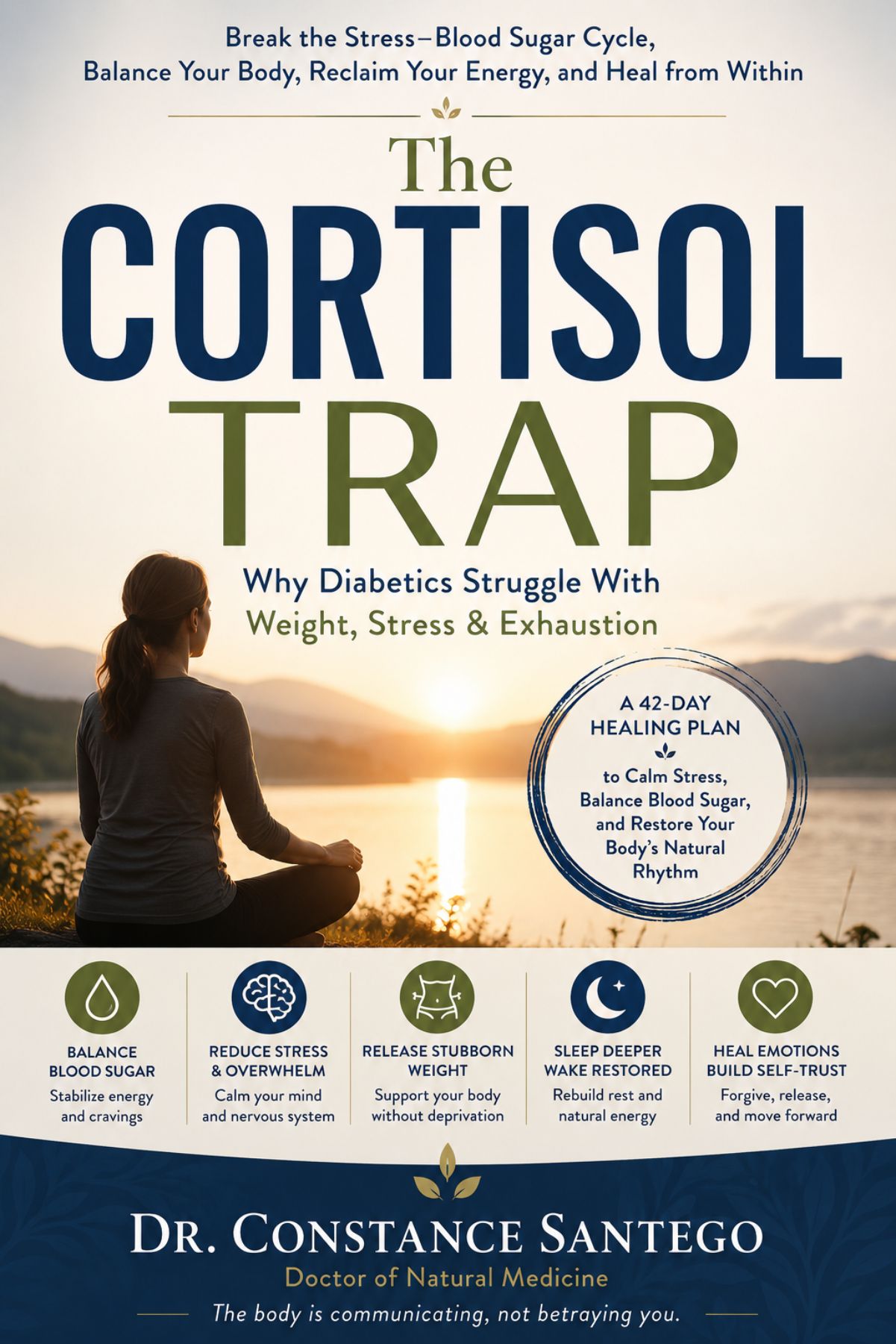
In The Cortisol Trap, Dr. Constance Santego explores cortisol as part of a much larger interconnected system and explains why simply trying to “lower cortisol” misses the bigger picture.
Inside You’ll Explore
- What cortisol is and why your body needs it
- The body’s stress-response system
- Cortisol’s natural daily rhythm
- The relationship between stress and sleep
- Cortisol, glucose, insulin, and metabolism
- Stress, appetite, and eating patterns
- The importance of movement and recovery
- How everyday habits can influence stress regulation
- Recognizing patterns that may be keeping you in a cycle of stress and exhaustion
- Practical strategies for supporting healthier routines
- When symptoms deserve professional medical assessment
Stop Fighting Your Body. Start Understanding It.
The goal isn’t to eliminate cortisol.
You couldn’t—and you wouldn’t want to.
Instead, the goal is to understand how the body’s stress-response system is designed to work and recognize the habits and circumstances that may interfere with healthy regulation.
The Cortisol Trap encourages you to look beyond quick fixes and trendy “cortisol hacks” and develop a more complete understanding of stress, recovery, sleep, metabolism, and everyday health.
Because sometimes the first step toward changing the pattern is finally understanding the pattern.
Format: Digital PDF
Delivery: Instant digital download after purchase
Important Medical Note
This book is intended for educational and informational purposes only and is not a substitute for medical diagnosis, treatment, or individualized medical advice.
Symptoms commonly attributed to “high cortisol,” such as fatigue, weight changes, sleep difficulties, mood changes, or changes in blood glucose, can have many possible causes. Persistent or concerning symptoms should be discussed with a qualified healthcare professional.
Do not stop or change prescribed medications or treatment based on information in this book without consulting the healthcare professional responsible for your care.


Reviews
There are no reviews yet.